
Turnkey Renovation in the Netherlands: Costs, Process & What’s Included
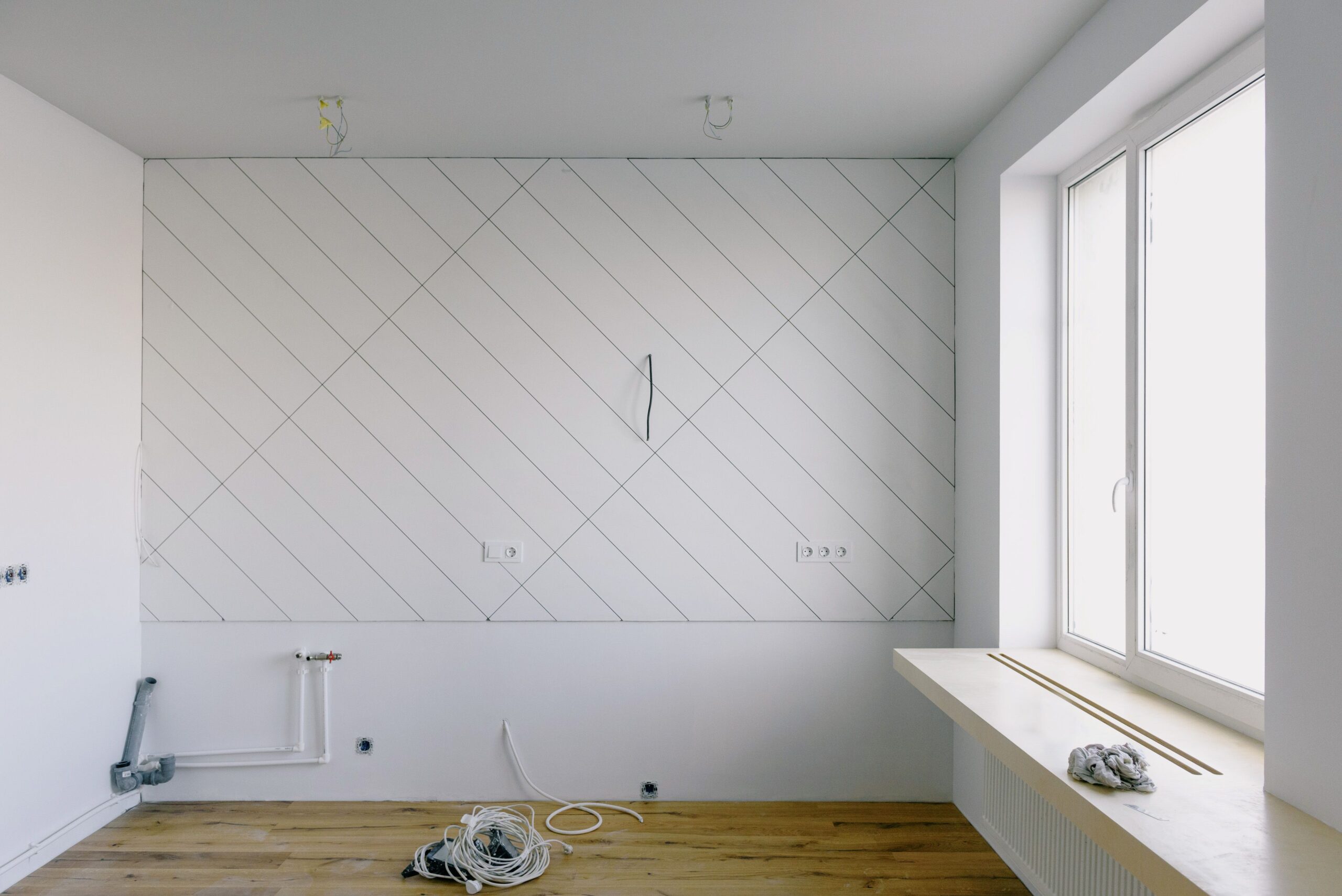
Renovating a home in the Netherlands involves more than choosing new floors, kitchens or bathrooms. Depending on the property and the scope of the work, you may need to coordinate architects, contractors, installers, material suppliers and municipal requirements. For homeowners, expats and property investors, managing all these moving parts independently can quickly become complicated.
A turnkey renovation offers a different approach: one company coordinates the project from planning and design through construction and finishing. Instead of managing multiple contractors yourself, you have one main point of contact responsible for coordinating the different stages of the renovation.
But what exactly does a turnkey renovation include in the Netherlands? How does the process work, what does it cost, and what should you check before choosing a renovation company?
This guide explains the key things to consider before starting a turnkey renovation project.
What Is a Turnkey Renovation?
A turnkey renovation is a project in which one main contractor or renovation company coordinates multiple stages of the renovation on behalf of the property owner.
Depending on the agreement and scope of work, this can include:
- project planning and coordination;
- architectural or interior design;
- preparation of drawings and specifications;
- coordination of permits or other municipal requirements;
- demolition and structural work;
- electrical and plumbing installations;
- kitchens and bathrooms;
- flooring, plastering and painting;
- windows, doors and insulation;
- final finishing and cleaning.
The exact scope should always be defined in the contract. “Turnkey” does not automatically mean that every possible service is included in the price.
The main advantage is simple: instead of coordinating several independent trades yourself, you work primarily with one project team responsible for organising the different parts of the renovation.
What Is Included in a Turnkey Renovation?
The scope varies between companies and projects, but a comprehensive renovation package can include the following.
Project Management
A dedicated project manager coordinates the schedule, contractors, suppliers and communication throughout the renovation.
This can be particularly useful for larger projects where several trades need to work in a specific sequence.
Design and Planning
Depending on the project, the renovation company may work with architects, interior designers or other specialists to develop layouts, drawings, material selections and technical plans.
For structural changes or more complex projects, additional professional input may be required.
Permits and Municipal Requirements
Not every renovation in the Netherlands requires a permit.
Under the current Dutch system, whether an environmental permit (omgevingsvergunning), notification or no formal application is required depends on factors such as the type of work, the property and its location. The official Omgevingsloket can be used to check the requirements for a specific project.
A renovation company can help determine what needs to be checked and, where agreed, coordinate the preparation and submission of relevant documentation.
This is especially important for projects involving structural changes, extensions, changes to the exterior or properties subject to additional local or heritage requirements.
Materials and Procurement
A turnkey renovation may also include sourcing and ordering materials such as:
- flooring;
- tiles;
- sanitaryware;
- kitchen components;
- doors and windows;
- insulation;
- lighting;
- fixtures and fittings.
The contract should clearly state which materials are included, which are supplied by the client and how changes to selections affect the final price.
Construction and Subcontractors
A renovation company can coordinate the different trades required for the project, including:
- electricians;
- plumbers;
- carpenters;
- plasterers;
- painters;
- tilers;
- flooring specialists;
- roofers;
- other specialist contractors.
The benefit is that the owner does not have to manage every individual trade separately.
Quality Control and Handover
During the project, the renovation team should monitor the work and coordinate inspections where appropriate.
At handover, the parties should review the completed work, identify any outstanding points and document what has been delivered.
The contract should also explain the applicable warranty and defect-handling arrangements.
Why Choose a Turnkey Renovation Company in the Netherlands?
A turnkey approach is not necessarily the cheapest way to renovate. Its main value is coordination, accountability and reduced management effort.
One Main Point of Contact
Managing a renovation independently can mean communicating with an architect, electrician, plumber, kitchen supplier, flooring installer and several other contractors.
With a turnkey renovation company, the project is coordinated through one main team.
This can reduce communication gaps and make it easier to track decisions, changes and deadlines.
Less Time Spent Managing Contractors
Renovation projects rarely involve only one trade.
Electrical work may need to happen before walls are closed. Plumbing may need to be completed before tiling. Flooring may need to wait until other work is finished.
A project manager coordinates these dependencies and schedules the different teams accordingly.
This does not guarantee that every project will finish early, but it can reduce the administrative burden on the property owner.
Better Budget Visibility
A well-prepared renovation quotation should make clear what is included in the price.
Depending on the project, the quotation may cover labour, materials, project management and other agreed services.
However, homeowners should also ask what is not included.
Potential additional costs can result from:
- structural surprises discovered after demolition;
- changes requested by the client;
- upgraded materials;
- additional design work;
- municipal fees;
- specialist surveys;
- unforeseen repairs.
A clear scope of work and written change-order process can help prevent misunderstandings.
Coordinated Quality Control
When several independent contractors work on the same property, responsibility can become fragmented.
With a turnkey contractor, the renovation company coordinates the different trades and can address issues through the project management structure.
This does not eliminate the need to check the contract, specifications and workmanship, but it gives the client a clearer point of responsibility.
Particularly Useful for Expats and International Homeowners
For homeowners who are not familiar with the Dutch construction market, managing a renovation can be particularly demanding.
The challenge may involve understanding local terminology, communicating with contractors, dealing with municipal processes and selecting suitable materials and specialists.
An English-speaking project manager can make the process easier for international clients, especially when the renovation involves several trades or a property that requires additional planning.
How Does a Turnkey Renovation Work?
Although every project is different, the process usually follows several stages.
1. Initial Consultation
The process starts with a discussion about the property, renovation goals, preferred style, budget and expected scope.
An on-site inspection can help identify existing conditions and determine which specialists may be required.
For larger projects, the initial assessment may need to be followed by architectural, structural or technical investigations.
2. Scope, Design and Planning
The next stage is to define what will actually be renovated.
This may include:
- floor plans;
- room layouts;
- kitchen and bathroom designs;
- material selections;
- lighting plans;
- structural changes;
- insulation and energy-efficiency measures.
The more precisely the scope is defined before construction starts, the easier it is to establish a realistic budget and schedule.
3. Permit and Regulatory Check
Before work begins, the project should be checked against the applicable Dutch rules.
The Omgevingsloket provides the official tool for checking whether a project requires an environmental permit, notification or other action. Requirements can depend on the location and the proposed work.
For example, properties with heritage protection or specific local restrictions may have additional requirements.
A renovation company can coordinate this process where it forms part of the agreed scope.
4. Detailed Quotation and Contract
Before construction begins, the client should receive a clear quotation and contract.
These documents should define:
- the scope of work;
- materials and specifications;
- estimated timeline;
- payment schedule;
- what is excluded;
- how variations are approved;
- responsibilities of each party;
- warranty arrangements;
- handover procedure.
A low initial price is not necessarily the best offer if important parts of the project have been excluded.
5. Procurement and Preparation
Once the project is approved, materials can be ordered and the construction schedule finalised.
Long-lead items such as custom kitchens, windows, doors or specialist fixtures should be identified early because their delivery can affect the overall schedule.
6. Construction
The construction phase may include demolition, structural work, installations, insulation, plastering, flooring, kitchens, bathrooms, painting and other finishing work.
The project manager coordinates the different trades and monitors progress.
7. Final Inspection and Handover
At the end of the renovation, the completed work should be reviewed against the agreed scope and specifications.
Any outstanding items should be documented and addressed according to the contract.
The client should also receive relevant documentation, warranties and information about installed systems where applicable.
Turnkey Renovation Services
A full renovation can combine several different services depending on the property and project scope.
Bathroom Renovation
A bathroom renovation may include:
- new sanitaryware;
- shower or bathtub installation;
- tiling;
- waterproofing;
- plumbing;
- ventilation;
- lighting and electrical work;
- custom bathroom furniture.
Kitchen Renovation
Kitchen projects can include:
- kitchen design;
- cabinetry;
- worktops;
- appliances;
- plumbing adjustments;
- electrical work;
- lighting;
- flooring and finishing.
Apartment Renovation
Apartment renovations can range from cosmetic upgrades to complete interior transformations.
Typical work includes:
- new layouts;
- flooring;
- painting;
- kitchens and bathrooms;
- electrical upgrades;
- lighting;
- storage solutions;
- insulation or other energy-efficiency improvements.
Apartment owners should also check whether the building’s owners’ association (VvE) has rules that affect the proposed renovation, particularly when common structures, façades or building systems are involved.
House Extensions
Extensions and structural alterations require careful planning.
Depending on the project, this may involve:
- architectural drawings;
- structural calculations;
- municipal checks;
- foundations;
- roofing;
- insulation;
- integration with existing utilities.
Whether an environmental permit is required depends on the specific project and location and should be checked through the Omgevingsloket.
Roofing
Roofing work may include:
- repairs;
- replacement;
- insulation;
- roof windows;
- structural improvements;
- preparation for future energy systems.
The regulatory requirements depend on the nature and extent of the work.
Electrical Services
Electrical renovation can include:
- rewiring;
- additional circuits;
- lighting;
- sockets;
- smart-home systems;
- upgrades to electrical installations.
Electrical installations in the Netherlands are commonly designed and assessed with reference to the applicable requirements of NEN 1010. The current published version is NEN 1010:2020+C1:2024.
The exact requirements for a project should be assessed by the qualified professional responsible for the installation.
Plumbing and Heating
Plumbing work can include:
- replacement of pipes;
- bathroom and kitchen connections;
- sanitaryware;
- heating modifications;
- water-saving fixtures.
The appropriate solution depends on the existing installation and the planned renovation.
Windows, Doors and Facades
Renovation projects may include:
- replacement windows;
- exterior doors;
- glazing;
- façade repairs;
- insulation;
- weatherproofing.
For buildings with heritage protection or specific local restrictions, additional requirements may apply.
Insulation and Energy Efficiency
Renovation is often an opportunity to improve the building’s energy performance.
Potential measures include:
- roof insulation;
- wall insulation;
- floor insulation;
- improved glazing;
- better airtightness;
- efficient heating and ventilation systems;
- preparation for renewable-energy systems.
However, energy requirements for renovation should not simply be described using the old EPC terminology.
In the Netherlands, BENG requirements apply to new-build permit applications from 2021. Renovation projects are subject to the applicable rules for existing buildings and alterations under the Dutch building regulations, including specific requirements for certain forms of major renovation.
For this reason, the energy requirements should be assessed based on the actual scope of the renovation rather than assuming that one standard applies to every project.
Renovation Regulations in the Netherlands: What Should You Know?
Dutch renovation projects are subject to national and local rules.
The Omgevingswet provides the framework for activities affecting the physical environment. The Omgevingsloket allows property owners to check applicable rules and determine whether a permit or notification is required.
Technical requirements for buildings are addressed through the Besluit bouwwerken leefomgeving (Bbl).
For renovations, the applicable requirements can depend on the type and extent of the work. In many cases, the existing building’s legally established quality level is relevant, while specific requirements apply to particular alterations.
Major Renovations
Dutch regulations also distinguish certain forms of “ingrijpende renovatie” (major renovation).
Under the Bbl, this can apply when more than 25% of the total building envelope is renovated and the renovation involves the integral building envelope. Additional energy-related requirements may then apply.
Because the rules depend on the project, homeowners should avoid assuming that a particular renovation automatically requires a permit or meets a specific regulatory category.
Renovation Costs in the Netherlands
The cost of a turnkey renovation depends heavily on the property, size, design choices and technical complexity.
Factors that can affect the budget include:
- property size;
- number of rooms;
- condition of the existing building;
- structural modifications;
- kitchen and bathroom specifications;
- windows and insulation;
- electrical and plumbing upgrades;
- materials and finishes;
- architectural or engineering services;
- municipal fees;
- accessibility of the property;
- unforeseen work discovered during demolition.
For this reason, a generic price range should be treated only as an initial indication.
A more useful way to compare renovation quotes is to examine exactly what each contractor includes.
Ask:
- Is design included?
- Are demolition and waste removal included?
- Are materials included?
- Are project management costs included?
- Are municipal fees included?
- Are structural calculations included if required?
- What happens if the scope changes?
- How are unforeseen conditions handled?
- What warranty applies?
A detailed quotation is more useful than simply choosing the lowest headline price.
Can You Live in Your Home During a Renovation?
Sometimes, but it depends on the scope of work.
A small bathroom or cosmetic renovation may allow you to remain in the property.
A major renovation involving:
- demolition;
- structural work;
- extensive electrical or plumbing changes;
- heating replacement;
- dust and noise;
- multiple rooms being renovated simultaneously
can make the property difficult or unsafe to occupy.
Before construction starts, discuss whether temporary accommodation is advisable and how the project can be phased if you intend to remain in the property.
Renovation for Expats and International Homeowners
For international homeowners, communication and project coordination can be just as important as construction quality.
A renovation company working with expats should ideally provide clear communication about:
- project scope;
- costs;
- deadlines;
- design decisions;
- permits and municipal requirements;
- material choices;
- changes to the original scope;
- progress and handover.
An English-speaking project manager can make the process easier for homeowners who are not comfortable communicating with Dutch-speaking contractors.
For properties in Amsterdam or other cities with older housing stock, additional considerations may also arise. Canal houses, listed or protected properties and buildings within conservation areas can have specific restrictions that need to be checked before work begins.
Quality Assurance and Warranty
A turnkey renovation can simplify responsibility because the main contractor coordinates the different trades.
However, homeowners should not rely on the word “turnkey” alone.
Before signing, check exactly:
- what workmanship is covered;
- what materials are covered;
- how long the warranty lasts;
- how defects must be reported;
- who is responsible for subcontracted work;
- what happens when a defect is caused by an existing building condition;
- which exclusions apply.
Warranty rights and contractual responsibilities depend on the agreement and applicable Dutch law, so the contract should clearly define them.
The Renovates can explain the warranty arrangements applicable to your specific project before work begins.
Sustainable Renovation in the Netherlands
A renovation can be an opportunity to improve comfort and reduce energy consumption.
Depending on the property, possible improvements include:
- insulation;
- improved glazing;
- airtightness;
- efficient heating;
- ventilation;
- energy-efficient lighting;
- low-energy appliances;
- solar-panel preparation;
- sustainable materials.
The best combination depends on the existing building, available space, budget and planned works.
Rather than adding individual energy-saving products without considering the building as a whole, it is often more effective to assess insulation, ventilation, heating and glazing together.
For larger renovation projects, professional assessment can help determine which improvements provide the greatest practical benefit.
How to Choose a Turnkey Renovation Company in the Netherlands
Choosing the right contractor is one of the most important decisions in the renovation process.
Before signing a contract, ask the company:
1. What exactly is included?
Request a detailed scope of work rather than relying on the phrase “turnkey renovation”.
2. Who manages the subcontractors?
Find out whether the company employs tradespeople directly or coordinates external specialists.
3. How are changes handled?
A clear written variation process helps prevent disagreements about additional costs.
4. How are permits and municipal requirements handled?
Ask who is responsible for checking the Omgevingsloket and preparing any required documentation.
5. What is the payment schedule?
Payments should correspond to clearly defined project stages where possible.
6. What warranty applies?
Ask for the warranty terms in writing before signing.
7. Can you see previous projects?
A portfolio can help you assess the company’s experience with projects similar to yours.
8. Who will be my main contact?
A named project manager can make communication significantly easier during a complex renovation.
Frequently Asked Questions
What does a turnkey renovation include?
A turnkey renovation can include design, planning, project management, construction, installations, finishing and handover. The exact scope depends on the contractor and contract, so always check which services and materials are included.
Do I need a renovation permit in the Netherlands?
Not necessarily. The requirement for an environmental permit, notification or no application depends on the type of work and the location. You can use the official Omgevingsloket to check the requirements for your project.
How long does a turnkey renovation take?
The timeline depends on the size and complexity of the project. A bathroom renovation may take considerably less time than a complete house renovation involving structural changes, new installations or an extension.
The contractor should provide a project schedule based on the agreed scope.
Can I live in my home during renovation?
For smaller renovations, it may be possible. For major renovation work, temporary accommodation may be more practical because of noise, dust, limited access to bathrooms or kitchens and construction safety.
How much does a turnkey renovation cost in the Netherlands?
There is no single price because renovation costs depend on the property’s condition, size, scope, materials and technical requirements.
The best way to establish a realistic budget is to obtain a detailed quotation based on an inspection and clearly defined scope of work.
Is turnkey renovation more expensive?
A turnkey renovation may have a higher initial price than coordinating individual contractors yourself because you are paying for project coordination and management.
However, comparing only the headline price can be misleading. The relevant comparison is the total cost, scope, management effort and responsibilities included in each proposal.
What should I check before signing a renovation contract?
Check the scope of work, materials, price, payment schedule, timeline, exclusions, change-order procedure, warranty and responsibilities for permits and subcontractors.
Does renovation always require planning permission?
No. Some work can be carried out without an environmental permit, while other projects may require a permit, notification or additional checks. The official Omgevingsloket should be used for a project-specific assessment.
What building regulations apply to renovations in the Netherlands?
Renovation work can be subject to the Dutch building regulations, including the Besluit bouwwerken leefomgeving (Bbl), as well as local rules under the Omgevingswet framework. The requirements depend on the type and scope of the renovation.
Do apartment owners need to consider VvE rules?
Potentially, yes. If the renovation affects shared parts of an apartment building, the façade, structural elements or other common property, the building’s VvE rules and approval procedures may be relevant.
What areas does The Renovates serve?
The Renovates provides renovation services in the Netherlands. Depending on the project, the team can work with homeowners and property owners in Amsterdam, Rotterdam, Utrecht, The Hague, Eindhoven and surrounding areas.
For a specific property, availability and project scope should be confirmed during the initial consultation.
Conclusion: Is a Turnkey Renovation Right for You?
A turnkey renovation can be a practical solution for homeowners who want one team to coordinate the different parts of a complex renovation.
Its main advantages are project coordination, a single main point of contact, clearer responsibility and less day-to-day contractor management for the property owner.
However, a successful renovation depends on more than choosing a company that offers a turnkey service. The scope of work, budget, timeline, responsibilities, permit requirements and warranty conditions should all be clearly defined before construction begins.
For homeowners and international property owners in the Netherlands, professional coordination can make a complex renovation considerably easier to manage.
If you are planning a renovation, The Renovates can assess your project, discuss the scope and help you understand the next steps, including planning, budgeting and coordination.